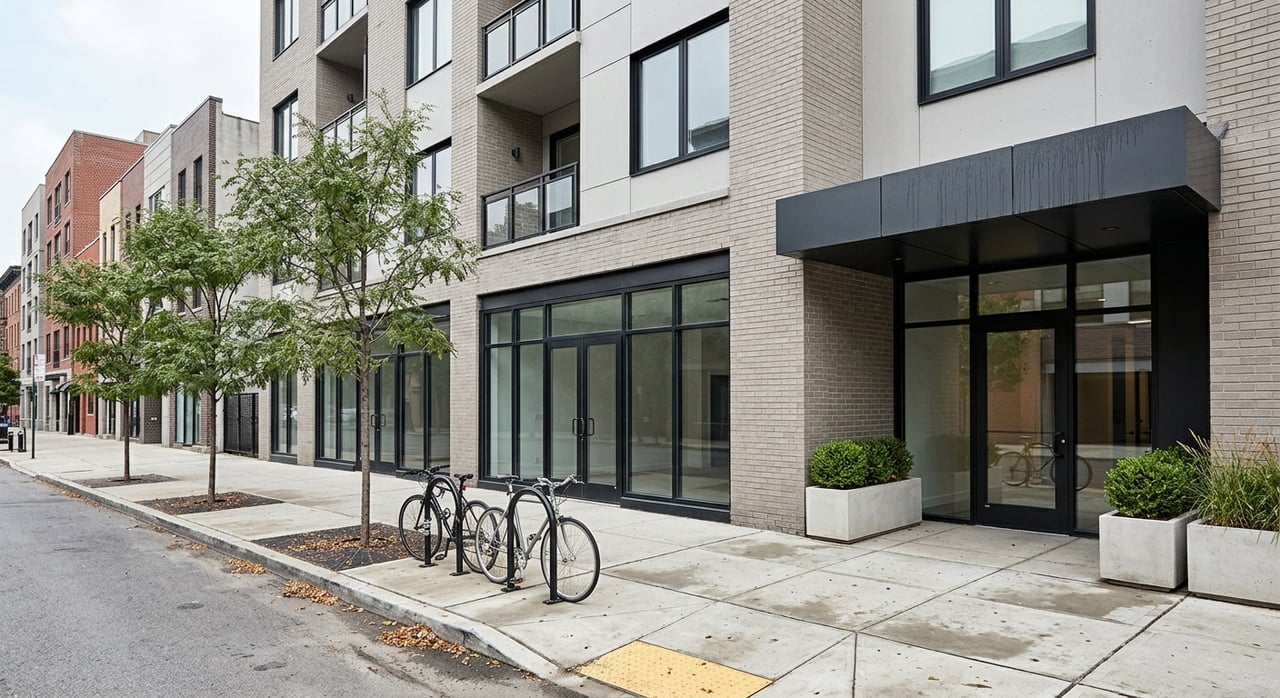
Car Free Living in Arlington VA: Neighborhood Guide
April 16, 2026
April 16, 2026
Wondering if you can really live in Arlington without owning a car? In many parts of Arlington, the answer is yes, but your day-to-day experience will depend on where you live, how close you are to transit, and whether you want a more urban or more residential setting. If you are considering a move and want a realistic picture of car-free living in Arlington, this guide will show you where it works best, what daily life can look like, and how to match your housing search to your routine. Let’s dive in.
Arlington was planned differently from many suburban communities in the region. Instead of spreading growth outward in a car-dependent pattern, the county concentrated higher-density, mixed-use development along key transit corridors. According to Arlington County planning history, 92% of office space is located in the two Metro corridors and within walking distance of public transportation.
That planning approach still shapes everyday life today. Arlington’s 2025 county profile reports 11 Metrorail stations, 16 ART bus routes, 53.3 miles of off-street multi-use trails, 130.6 miles of bicycle facilities, and 527 miles of sidewalks. It also notes that 14.2% of households have no vehicle, which gives you a good sense that car-free living here is not just an idea on paper. You can review more in the Arlington County profile report.
For many residents, the goal is not necessarily to never use a car. It is to make a car optional. In Arlington, that can mean relying on Metro, buses, walking, biking, and occasional car-share instead of paying for full-time car ownership.
Car-free living in Arlington usually works best when your home is close to a Metro station area or a strong transit corridor. In those locations, you can often walk to groceries, restaurants, pharmacies, parks, libraries, and other everyday services. Arlington has 645 restaurants, 10 farmers markets, and 8 libraries countywide, plus a broad trail and park system.
You also have more than one way to get around. Arlington supports a transportation mix that includes Metro, ART buses, Metrobus, dedicated transit lanes in Crystal City and Potomac Yard, bikeshare, bike parking, e-bikes, e-scooters, and car-share options. The county’s transit lanes overview and car-sharing program page show how these options work together.
In practical terms, your week might look like this:
That combination is what makes Arlington feel workable for car-free households rather than simply transit-accessible.
Car-free living is not uniform across Arlington. Some areas are set up for an all-or-mostly-on-foot lifestyle, while others are better for car-light living.
If you want Arlington’s most urban station-area experience, Rosslyn is one of the strongest options. Arlington County says the Rosslyn Metro Station Area has more than 6,000 residences within a 10-minute walk of the station, including high-rise apartments, condominiums, older smaller buildings, and newer townhouses. You can explore the area through the county’s Rosslyn planning page.
WMATA lists Rosslyn as serving the Orange, Silver, and Blue lines, with bike parking and bikeshare available. There is no daily parking, which reinforces its role as a transit-first location. If your priority is quick transit access and an easy walk to daily needs, Rosslyn is a natural place to start.
Clarendon and Courthouse are two of Arlington’s best-known compact urban villages. Arlington describes Clarendon as a mix of single-family homes, apartments, condos, office buildings, and retail, while Courthouse combines residential, government, office, and retail uses with higher-density development near the center. The county’s Clarendon planning page gives a helpful overview of this corridor.
For you as a buyer or renter, that mix matters. It usually means daily errands are easier on foot, especially when you live close to the station area. Both stations also have bike parking and bikeshare, with no daily parking listed by WMATA.
Ballston and Virginia Square can be a strong fit if you want walkability and transit access with a slightly different feel than Rosslyn or Clarendon. Arlington describes Ballston as a 260-acre station area with concentrated mixed-use development around Metro, while Virginia Square is a 190-acre predominantly residential community with cultural, educational, and recreational amenities. You can learn more on the county’s Ballston planning page.
This corridor often appeals to people who want a practical, transit-connected lifestyle without feeling like they need to be in the most intense urban setting. It is still very workable for car-free living, especially if you value quick access to Metro and a broad range of nearby services.
Outside the Rosslyn-Ballston corridor, Crystal City and Pentagon City stand out as some of Arlington’s best options for a car-free or car-light lifestyle. Arlington County says this area is being transformed into a more walkable mixed-use district with more retail, improved public space, added housing, and better transit access. The Crystal City development page highlights these long-term plans.
This corridor also benefits from dedicated transit lanes and connections to services like Metroway. If you want strong transit access and a walkable environment in the Route 1 corridor, this part of Arlington deserves a close look.
East Falls Church offers transit access, but it is not the same kind of fully urban, all-errands-on-foot environment you will find in Rosslyn or Clarendon. Arlington describes it as a residential community with single-family homes and townhouses, with planning goals that include stronger pedestrian and bicycle links, neighborhood retail, and a mixed-use node near the park-and-ride site. The county outlines this on the East Falls Church planning page.
If you want Metro access but prefer a more residential setting, East Falls Church may still fit your goals. Just keep in mind that this is usually more car-light than fully car-free for most households.
Your housing type can shape how easy it is to live without a car. Arlington’s county profile reports 126,540 housing units countywide, and 73% are multifamily. In practical terms, that means the housing stock most suited to car-free living is often apartments, condos, and some townhomes near Metro and major transit routes.
That pattern shows up clearly in the station areas. Rosslyn includes high-rise apartments, condominiums, and townhouses. Clarendon includes a mix of single-family homes alongside apartments and condos. Courthouse includes apartment development and older garden-style apartment stock. East Falls Church tends to lean more toward single-family homes and townhouses.
If your goal is to reduce or eliminate car use, it usually helps to prioritize:
The best car-free neighborhood is the one that matches your actual routine, not just your wishlist. If you commute regularly by Metro, station proximity may be your top priority. If you work remotely, you may care more about being able to walk to errands, restaurants, parks, and community amenities.
Here is a simple way to think about it:
| Lifestyle Goal | Best Fit in Arlington |
|---|---|
| Most urban, transit-first lifestyle | Rosslyn |
| Walkable urban village feel | Clarendon or Courthouse |
| Balanced transit and residential mix | Ballston or Virginia Square |
| Strong Route 1 transit access | Crystal City or Pentagon City |
| More residential, transit-accessible living | East Falls Church |
This kind of planning matters when you are buying, renting, or relocating. A home can look great online, but if it does not support your daily routine without a car, it may not feel convenient once you move in.
Arlington stands out because its infrastructure, housing patterns, and planning decisions all support a lower-car lifestyle. With 11 Metro stations, extensive sidewalks and trails, bus service, bikeshare, micro-mobility, and car-share, you have real options for getting around. The experience is strongest in the Rosslyn-Ballston corridor and the Crystal City and Pentagon City area, while lower-density areas tend to work better for car-light living.
If you are weighing a move to Arlington, the key is choosing the right neighborhood for how you actually live. The right location can make commuting easier, reduce transportation costs, and simplify your routine. If you want help finding a condo, apartment, townhouse, or home that fits your transit needs in Arlington, Live In The Dream can help you explore your options with local insight and personalized guidance.
Stay up to date on the latest real estate trends.

marketupdate
Monthly Newsletter

marketupdate
Monthly Newsletter
At Live In The Dream, we believe that finding or selling your home should be a seamless and enjoyable experience. Our dedicated team of real estate professionals is committed to providing you with the highest level of service, personalized to meet your unique needs.
Kathy Caputo Worek
Megan Worek
Virginia & DC Office
9990 FAIRFAX BLVD SUITE 160
FAIRFAX VA 22030
North Carolina Office
464 WILLIAMSON RD SUITE A
MOORESVILLE NC 28117