Trying to choose between a condo and a rowhouse in Washington, DC? You are not alone. Each option offers a distinct lifestyle, cost profile, and set of responsibilities that can shape your day-to-day life and your long-term investment. In this guide, you will learn how ownership type, HOA fees, maintenance, financing, taxes, insurance, and neighborhood context all factor into your decision. Let’s dive in.
Ownership vs. building type in DC
The first thing to know is that “condominium” is a legal form of ownership, while “rowhouse” is a building type. In DC, the District of Columbia Condominium Act defines what a condo unit owner owns and what is shared with others in the building. The recorded condo declaration and bylaws spell out who pays for what in detail. You can review the law directly in the District of Columbia Condominium Act.
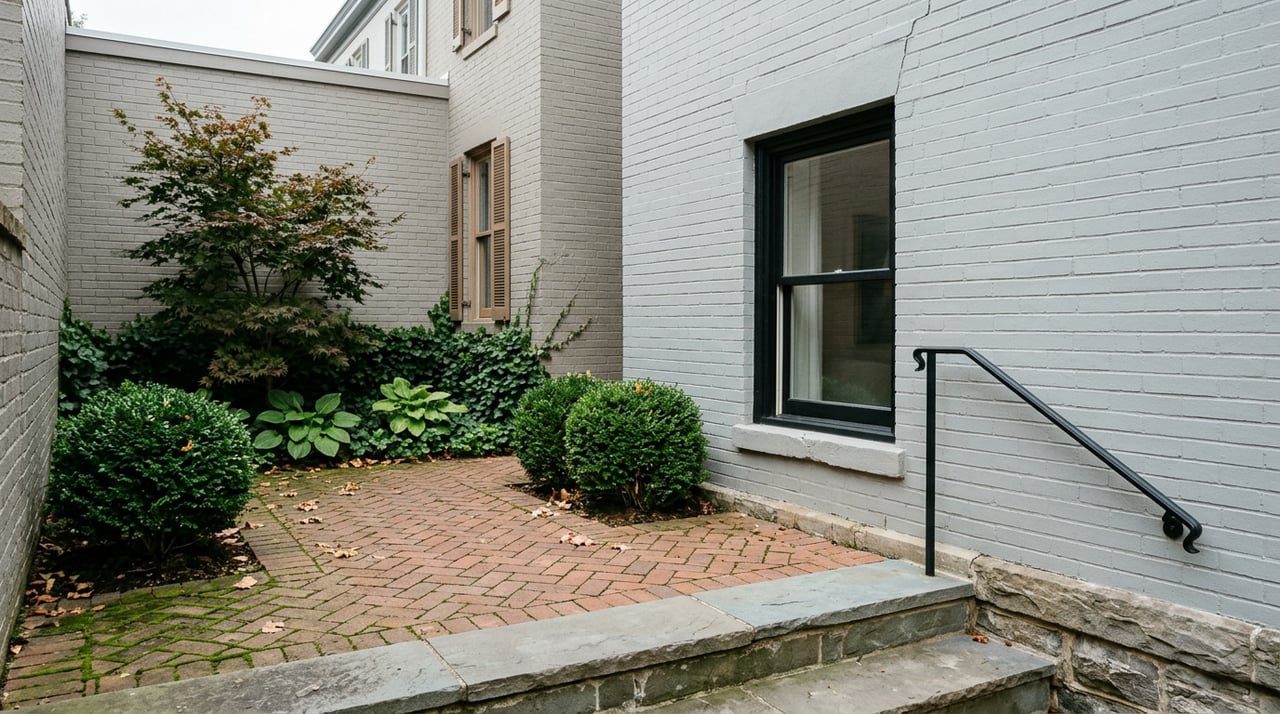
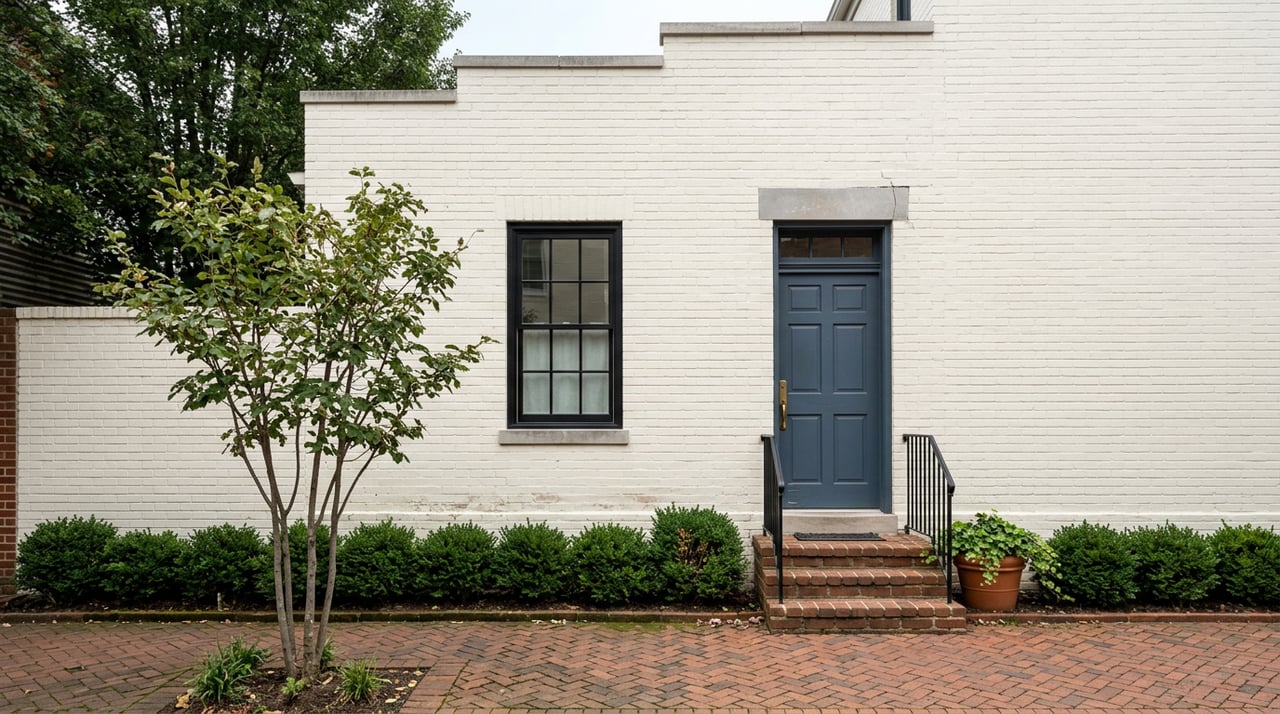
A rowhouse describes the narrow, attached building you see across many DC neighborhoods. Many rowhouses are fee simple, where you own the land and the structure outright. Some rowhouses are organized as condominiums, which means you could own the interior of a rowhouse-style unit while sharing responsibility for exteriors. Always confirm the recorded legal form before you assume who maintains the roof, façade, or yard.
Monthly costs and maintenance
HOA dues and reserves in DC
Condo owners typically pay a monthly assessment that covers building exteriors and shared systems, master insurance, landscaping, and sometimes utilities. In DC, median HOA and condo dues tend to be higher than many other metros, with a local median around $505 per month in recent analyses. Those dues count in your monthly affordability and your lender’s debt-to-income calculations.
Reserves matter. Well-funded reserves reduce the chance of surprise special assessments for major projects like roof replacements or elevator overhauls. Ask for the latest budget and reserve study. Look for the percent-funded metric and any history of special assessments over the last three years.
Key questions to ask a listing or HOA:
- Who pays for roof repair and replacement, and what is covered by the master insurance policy?
- What exactly do dues include, such as water, gas, or exterior maintenance?
- What is the reserve funding level and when was the last reserve study completed?
- Have there been any special assessments in the last three years, and why?
Rowhouse maintenance realities
With a fee-simple rowhouse, you typically take responsibility for the exterior. That includes roof, brick repointing, chimneys, foundations, waterproofing, landscaping, and alley or driveway areas if applicable. You will not pay monthly condo dues for those items, but you should budget for periodic capital costs.
This tradeoff is simple to describe and important to plan for. Many buyers prefer the control and privacy of a rowhouse but must be ready for larger one-time expenses. A strong pre-inspection and realistic maintenance budget go a long way in protecting your investment.
Financing and approvals
Project eligibility 101
For condos, financing can depend on the building’s status with different loan programs. Many mortgages require a review of the condominium project itself. FHA uses a formal approval list that you can check through HUD’s database of FHA-approved condominiums. Conventional investors like Fannie Mae and Freddie Mac have their own review systems, such as Freddie’s Condo Project Advisor. If a project does not meet these criteria, it might be considered non-warrantable, which can limit or raise the cost of financing.
VA loans also require the condominium to be accepted by the VA. The bottom line is to verify project eligibility early, before you fall in love with a unit or structure your financing plan around a specific loan type.
Steps to avoid surprises
- Ask your lender on day one to check FHA, VA, and conventional project eligibility for any building you are considering.
- If the building is not approved, discuss alternatives like portfolio loans and rate or down payment impacts.
- Request the full resale package early so your lender and your agent can spot issues like high delinquency, litigation, or low reserves.
Taxes and insurance basics
Property taxes in DC
DC applies different tax classes and rates depending on property type. Most residential properties fall under Class 1. To estimate your annual taxes and confirm the current rate, use the Office of Tax and Revenue’s resources on real property tax rates. Your assessed value and any applicable credits or exemptions will influence your bill.
Insurance differences you should know
- Condos: You typically carry an HO-6 policy that covers your interior finishes and personal property. The association’s master policy covers the building shell and shared elements based on what the declaration defines. Ask whether the master policy is bare walls, single-entity, or all-in. Add loss-assessment coverage if appropriate.
- Rowhouses: You carry an HO-3 homeowner’s policy that insures the entire structure and your personal property. Premiums can be higher than HO-6 policies because you are insuring the whole building.
Space, privacy, and parking
Noise and privacy expectations
Both property types are attached, but the way you experience sound differs. In condos with stacked units, overhead and underfoot transmission can be a concern, especially in older conversions. In rowhouses, the party walls are the main factor. Check for sound attenuation notes in the listing, ask about any soundproofing work, and try to visit at different times of day.
Outdoor space and parking
- Condos: You often get shared outdoor areas, rooftops, courtyards, or balconies. Private yards are uncommon, especially in high-rises. Amenities like gyms and lounges can be a plus, but they also increase dues.
- Rowhouses: Many offer private rear yards, small front gardens, or roof decks. Alley access can matter for parking or future additions. Assigned off-street parking is a major value driver in DC, so always confirm if parking conveys and how it is deeded or assigned.
Zoning, historic districts, and permits
Many beloved rowhouse neighborhoods sit inside local or national historic districts. Exterior changes often require review by DC’s Historic Preservation Office and, in many cases, the Historic Preservation Review Board. Expect to seek a Certificate of Appropriateness for visible facade changes, certain roof decks, and significant additions. You can explore guidance through the Historic Preservation Office. This process protects neighborhood character but can lengthen timelines and shape your design choices. Build that into your plans and budget.
How this plays out by neighborhood
Neighborhood context matters as much as property type in DC. Here are common patterns you will see around the city. Prices and medians change quickly, so use these as directional examples rather than fixed benchmarks.
- Capitol Hill: Predominantly rowhouse stock with strong buyer demand for restored historic homes. Expect a premium for renovated rowhouses on prime blocks and near parks or transit.
- Navy Yard and Capitol Riverfront: Heavily condo-oriented with newer high-rise and mid-rise buildings. You will often find lower entry prices relative to larger single-family rowhouses, with higher HOA exposure because of amenities.
- Shaw and Logan Circle: A true mix. Boutique condo buildings and conversions compete with renovated historic rowhouses. Choose between amenity convenience and private outdoor space based on your lifestyle.
- Columbia Heights: Diverse housing choices that let you compare mid-century and walk-up condos with classic rowhouses. Condos can be a lower cash-entry point, while renovated rowhouses offer larger private spaces and more maintenance control.
Local market note: In some recent periods, DC’s condo segment has shown pockets of softness while single-family and rowhouse segments have held steadier. Building-level factors like governance, reserves, and litigation often matter more than broad trends, so evaluate each property on its own merits.
Resale and long-term value
When you buy in DC, you are buying into a building or a block. That is why management quality, maintenance history, and location tend to drive performance over time.
- Liquidity: Amenity-rich, transit-proximate condos can sell quickly to a wide buyer pool. Prime rowhouses on great blocks also move well, though at higher price points that narrow the pool.
- Association risk: In condos, underfunded reserves, high delinquency, or pending litigation can limit lending and reduce your buyer pool. Always review the resale package and ask financial questions early.
- Condition first: Whether you choose a condo or rowhouse, a well-maintained property with strong systems will usually outperform a neglected one. Roofing, masonry, waterproofing, and structural items are the big-ticket issues to watch.
Quick buyer guide: Which fits you best?
- Choose a condo if you want lower personal maintenance, value amenities, and prefer a predictable monthly cost structure. Just remember to weigh HOA dues and confirm strong reserves.
- Choose a rowhouse if you want a private yard, more control over renovations, and are ready to plan for larger capital projects. Factor in potential historic review for exterior changes.
- Not sure yet? Focus on your daily routine. How you live today often points clearly to the right property type.
Due-diligence checklist for DC buyers
Use this list before you write an offer so you understand obligations and cost exposure.
- Confirm legal form and recorded documents. Get the deed, condominium declaration, plat, bylaws, and any covenants to verify condo vs fee simple ownership.
- Request the full HOA or condo resale package. Review the current budget, reserve study, 12 months of meeting minutes, insurance master policy, delinquency rate, and litigation disclosures.
- Verify project eligibility for your loan. Ask your lender to confirm FHA and VA approval or conventional warrantability through investor systems. If not approved, price out alternatives.
- Understand the master insurance policy. Identify what the association insures and what you must cover on your HO-6. Confirm deductibles and consider loss-assessment coverage.
- Check reserves and capital plans. Review the most recent reserve study and any scheduled near-term projects like roof, facade, or elevator work.
- Scan for red flags in minutes. Look for discussions about special assessments, lawsuits, or major repairs that could hit owners soon.
- Confirm historic or zoning constraints. If in a historic district, consult HPO guidelines and factor review timelines into your plans.
- Estimate property taxes. Verify classification and current rates through the Office of Tax and Revenue and review the latest tax bill if available.
- Inspect systems thoroughly. For rowhouses, focus on roof age, chimneys, brickwork, foundation, waterproofing, and drainage. For condos, ask about building engineering reports and recent inspections.
- Verify parking and storage. Confirm whether assigned or deeded parking conveys and the terms of any storage.
The bottom line
In Washington, DC, both condos and rowhouses can be smart buys. Your best choice comes down to how you want to live, what you are comfortable maintaining, and how the building or block manages risk. If you keep your focus on ownership form, dues and reserves, financing eligibility, and long-term maintenance, you will make a confident decision that fits your lifestyle and budget.
If you want a calm, expert partner to help you compare options across neighborhoods, review HOA packages, and coordinate inspections, our family-led team is here to help. Reach out to Live In The Dream to start a focused search or pricing plan that fits you.
FAQs
What is the main difference between a DC condo and a rowhouse?
- A condo is a legal ownership structure with shared common elements, while a rowhouse is a building type that may be fee simple or part of a condo regime; always confirm the recorded documents.
How do HOA fees affect DC mortgage approval?
- Lenders count monthly HOA or condo dues in your debt-to-income ratio, so higher dues in DC can reduce your approved purchase price even if the list price looks affordable.
What should I look for in a condo’s reserves and budget?
- Ask for the latest reserve study, the percent-funded level, three years of special assessments, and details on upcoming capital projects that could trigger future assessments.
How do historic districts impact DC rowhouse renovations?
- Exterior changes in many rowhouse neighborhoods require Historic Preservation Office review and a Certificate of Appropriateness, which can guide design choices and extend timelines.
What insurance do I need for a DC condo vs a rowhouse?
- Condo owners usually carry HO-6 policies for interiors and personal property, while rowhouse owners carry HO-3 policies that insure the entire structure.
What financing issues can derail a DC condo purchase?
- If the condo project is not approved by FHA, VA, or conventional investor systems, you may need alternative financing with different terms, so verify eligibility early.