Daily Life in Capitol Hill DC Rowhomes: A Guide
February 5, 2026
February 5, 2026
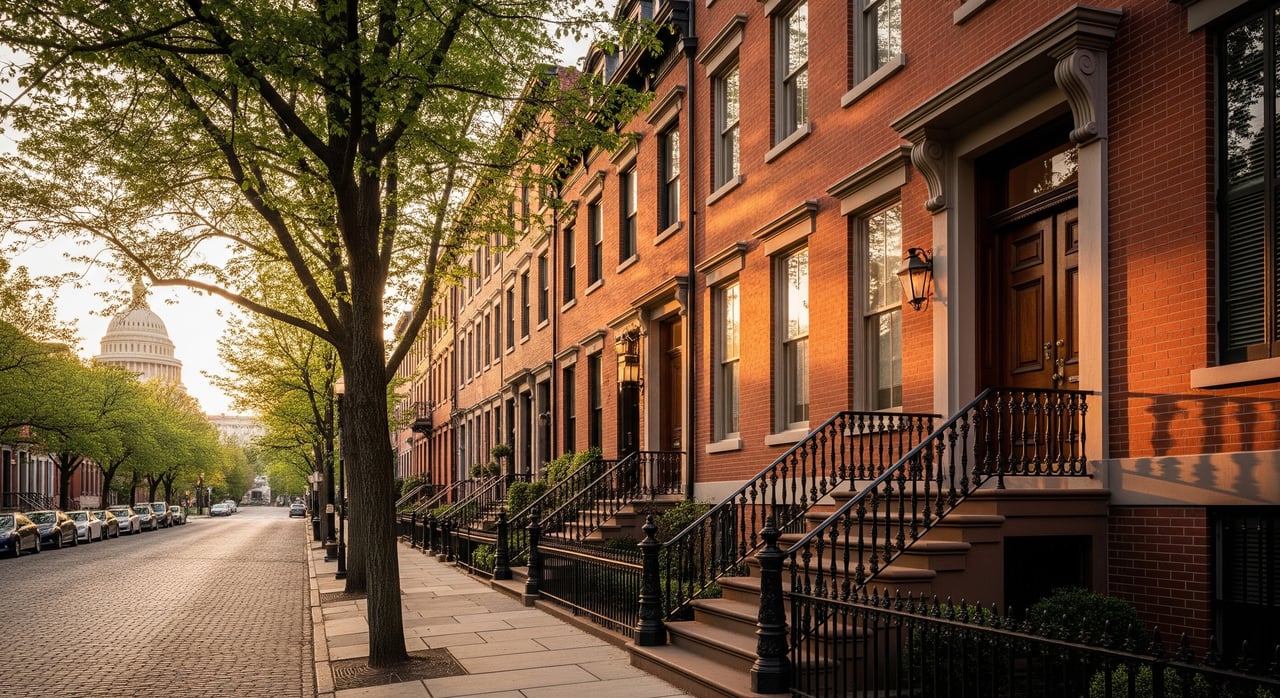
Imagine stepping out your front door to tree-lined streets, a cup of coffee in hand, and the Capitol dome peeking over the rooftops. If you’re daydreaming about life in a Capitol Hill rowhome, you’re not alone. You want walkability, character, and a neighborhood that feels connected to the city’s heartbeat. In this guide, you’ll get a clear picture of day-to-day life, from layouts and maintenance to transit, parks, and what to expect during renovations. Let’s dive in.
Capitol Hill blends historic charm with daily convenience. You’ll see neighbors chatting on stoops, people commuting by foot or bike, and families heading to the park in the late afternoon. The neighborhood’s residential blocks feel calm, while commercial corridors add energy and options.
Walk everywhere. Grocery runs, a quick lunch, and errands are often within a few blocks. The historic indoor-outdoor hub at Eastern Market anchors weekend routines, while the restaurants and shops along Barracks Row keep evenings lively.
You can handle most daily needs on foot. Independent shops, pharmacies, and cafes cluster near Eastern Market and along 8th Street SE. When you need a bigger grocery run or a specialty item, short trips by Metro, bus, or bike are common.
Many residents work on the Hill or downtown and choose Metro, bus, or bike. You’ll find multiple stations and routes nearby, plus scooters for short hops. For planning, check WMATA for current schedules and advisories, and use Capital Bikeshare for quick trips.
Green spaces like Stanton Park and Lincoln Park support morning jogs, dog walks, and community events. Pocket parks add kid-friendly play spots and a place to pause on your way home. For programs and facilities, explore DC Parks and Recreation.
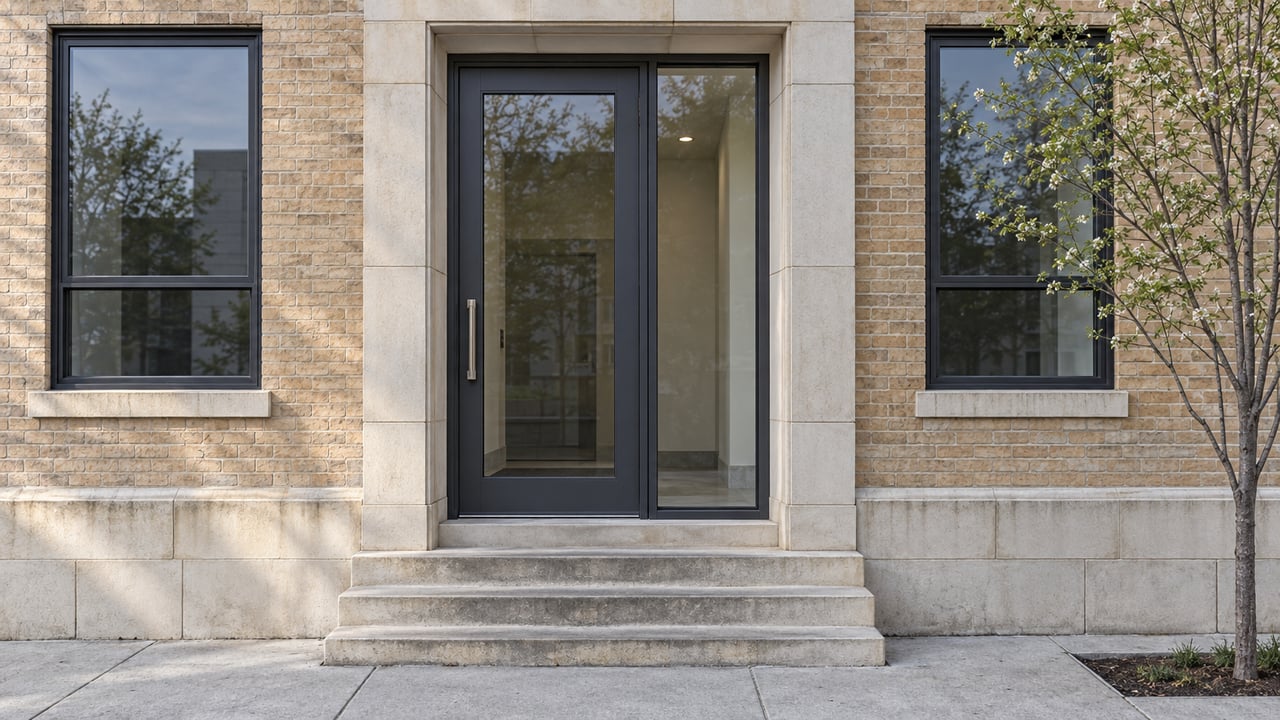
Capitol Hill rowhomes are known for brick facades, cornice details, and classic stoops. Many homes date to the late 19th and early 20th centuries, reflecting Italianate, Federal, and Victorian-influenced styles. Facades that face the street are often protected within historic districts.
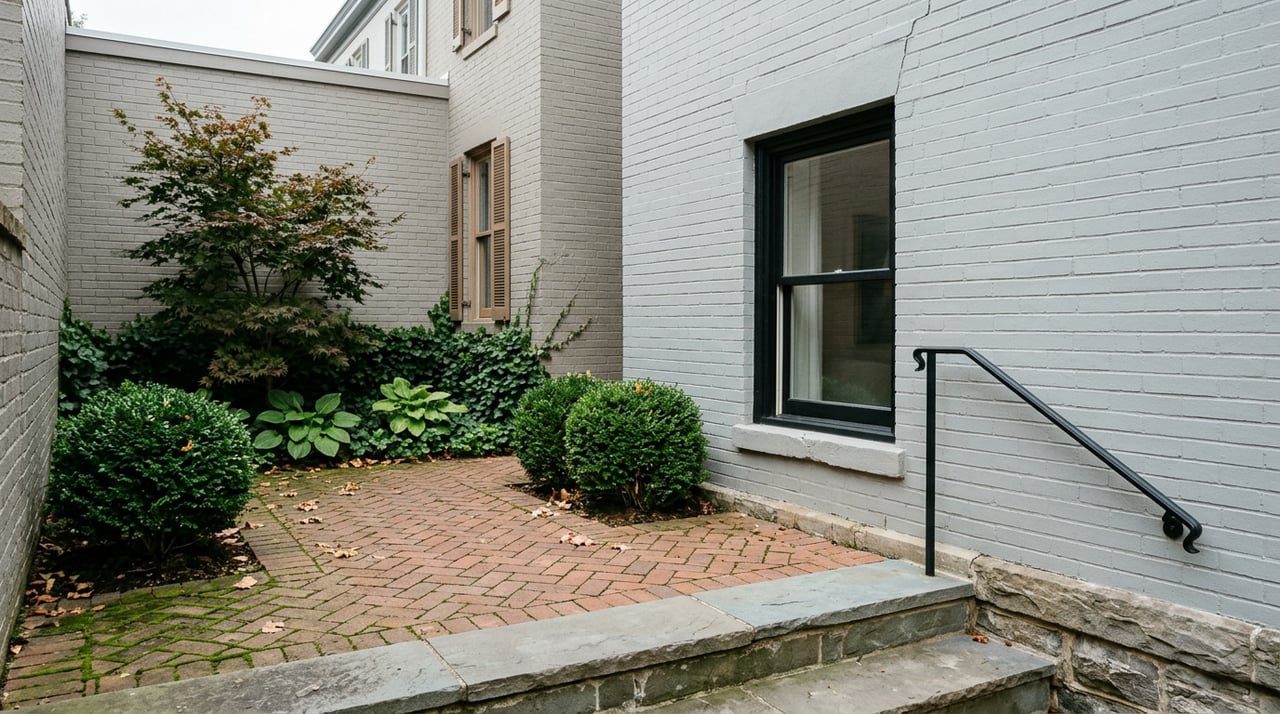
Expect narrow footprints. Most rowhomes are about 16 to 20 feet wide, with small front yards or fence-line setbacks. Rear yards provide a bit of private outdoor space, and some properties have alley access or outbuildings.
Rowhomes are vertical and efficient. You’ll often find a front parlor and dining room on the main level, with the kitchen at the rear or in an addition. Bedrooms sit upstairs, and a cellar or basement usually houses utilities and storage. Smaller homes can be around 1,000 to 1,400 square feet, and renovated or expanded homes can reach 2,000 to 3,000 plus square feet.
Know the quirks. Narrow stairs and hallways are common. Storage can be tighter than in newer suburban homes. Basements may have lower ceilings and can be damp if not properly waterproofed. Off-street parking is limited, though some homes have alley garages.
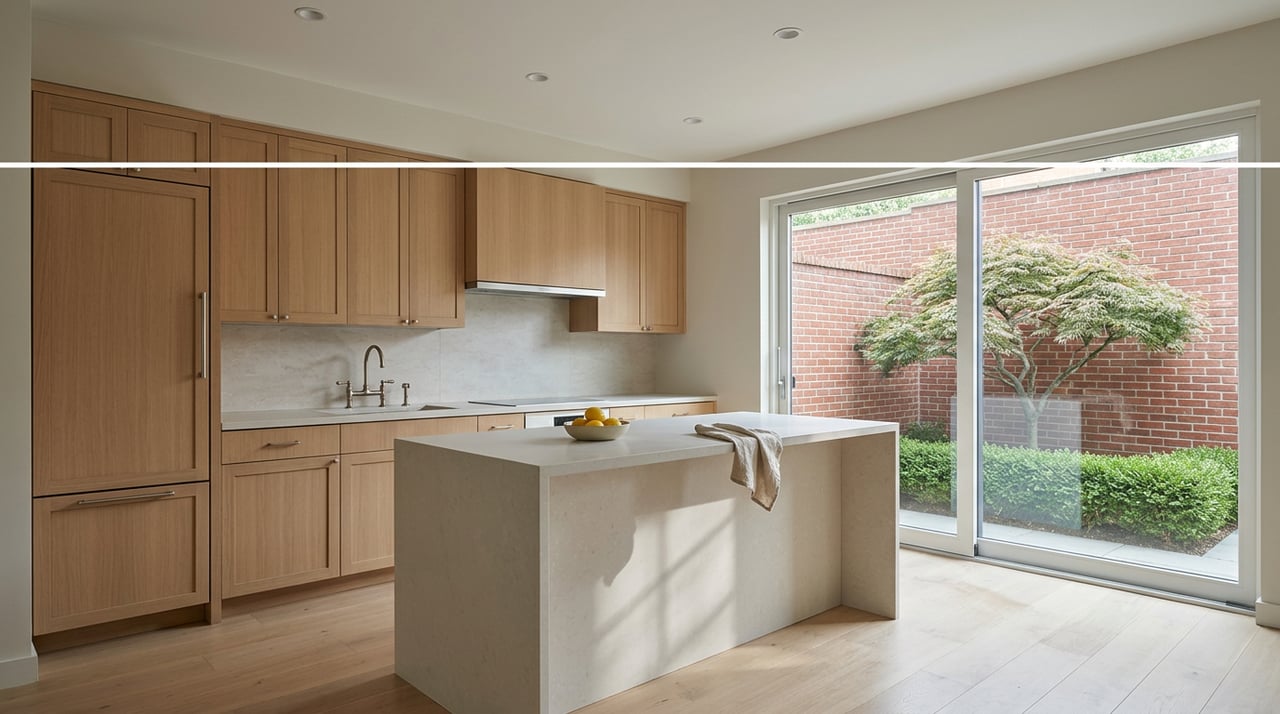
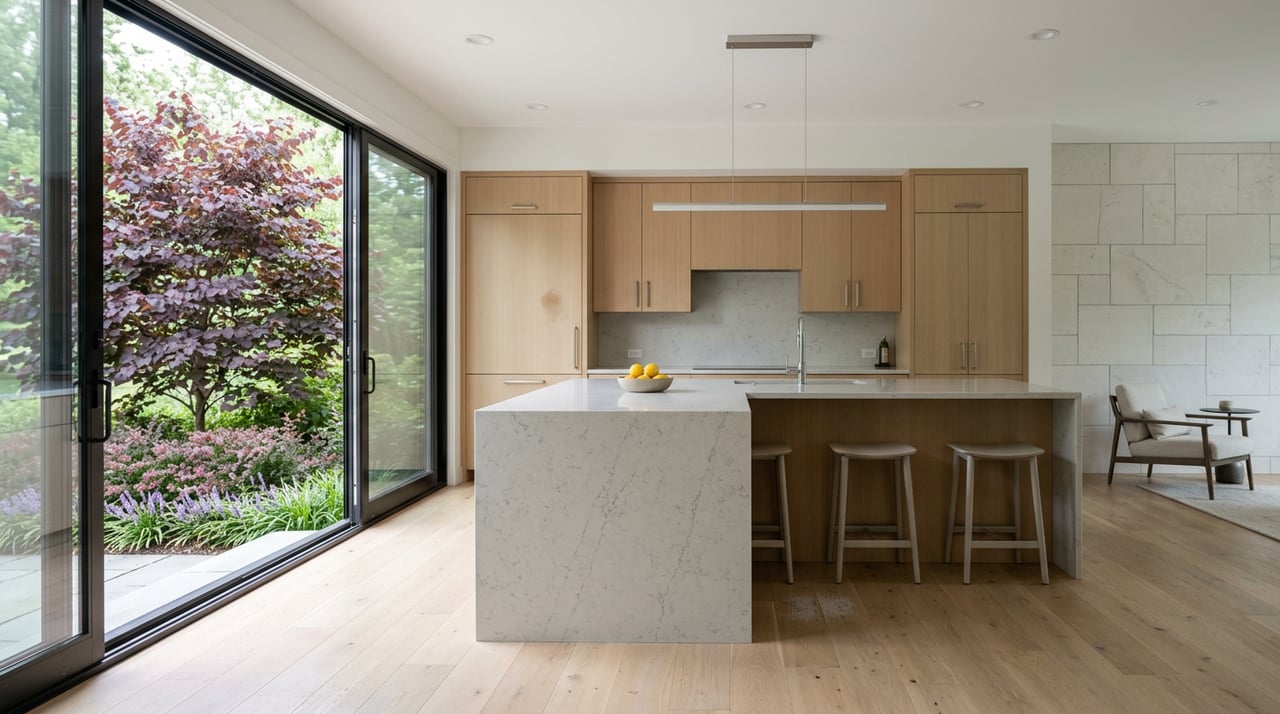
Many owners renovate for open kitchens, updated baths, and central HVAC. Interior projects tend to be straightforward, while exterior changes visible from public space often need review in historic areas. Start with the DC Historic Preservation Office for guidance, and lean on the Capitol Hill Restoration Society for preservation context.
Many households own one car or none. On-street permit parking is common, and alley garages exist on some blocks. Because so much is walkable and transit-friendly, you may drive less than you expect. Families often appreciate off-street parking when available, but many make on-street parking work with a permit and routine flexibility.
Older homes reward care and attention. Plan for ongoing maintenance like roof work, brick repointing, and window weatherization. Mechanical systems, electrical panels, and plumbing may need upgrades over time. A thorough inspection is essential, and if the home predates 1978, review lead-based paint disclosures and mitigation options.
Renovation costs vary widely by scope and finish level. Get multiple local bids, add a 10 to 20 percent contingency, and confirm permit requirements. For permits and contractor licensing, the DC Department of Buildings is your reference.
Zoning controls what you can do with your property, from accessory units to conversions. Many rowhouse blocks fall under rowhouse-focused zoning categories, such as R-4 or similar designations. For property-specific rules and allowable uses, consult the DC Office of Zoning.
If your home is within the Capitol Hill Historic District, exterior changes visible from public space may need approval. Interior work generally has fewer restrictions unless it affects structural or exterior elements. Review the process with the DC Historic Preservation Office before you finalize plans.
Think about how you live day to day. If you like to walk, entertain in cozy rooms, and value character over sheer square footage, a rowhome may fit. Consider stairs, storage, and sound. Shared party walls can transfer some noise, though insulation and window upgrades help.
Families choose Capitol Hill for parks, transit, and neighborhood connectivity. For school assignment and enrollment, use My School DC to verify current boundaries and lottery processes. Always confirm the most up-to-date information for your address.
If a Capitol Hill rowhome matches your day-to-day vision, you deserve a guide who knows the blocks, the process, and the tradeoffs. Our boutique, mother-and-daughter team provides buyer and renter representation, seller strategy and premium marketing, and relocation support across the DC region. From touring historic homes to planning updates and navigating permits, we help you move with clarity and confidence.
Ready to talk next steps or set up a tour plan? Reach out to Live In The Dream for personalized guidance.
Stay up to date on the latest real estate trends.

marketupdate
Monthly Newsletter

marketupdate
Monthly Newsletter
At Live In The Dream, we believe that finding or selling your home should be a seamless and enjoyable experience. Our dedicated team of real estate professionals is committed to providing you with the highest level of service, personalized to meet your unique needs.
Kathy Caputo Worek
Megan Worek
Virginia & DC Office
9990 FAIRFAX BLVD SUITE 160
FAIRFAX VA 22030
North Carolina Office
464 WILLIAMSON RD SUITE A
MOORESVILLE NC 28117