Georgetown Condo Versus Downtown DC: How to Choose
March 5, 2026
March 5, 2026
You have your heart set on a DC condo, but you keep toggling between Georgetown and “downtown.” You are not alone. Most buyers weigh charm and waterfront living against transit, amenities, and building services. In this guide, you will get a clear, side‑by‑side look at Georgetown versus nearby Foggy Bottom and West End so you can match your lifestyle, commute, and budget to the right pocket. Let’s dive in.
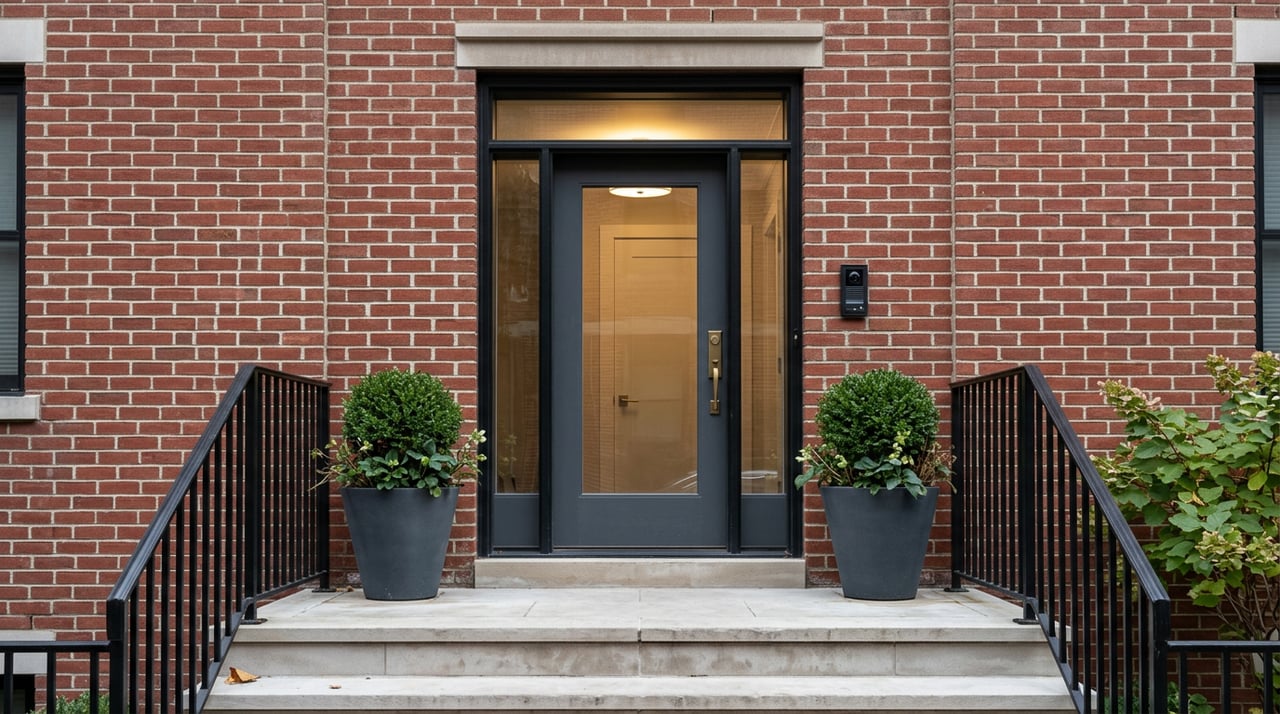
Georgetown’s compact streets feature Federal and Victorian rowhouses, cobblestone touches, and small condo conversions. New construction tends to be boutique infill rather than large towers, which helps the neighborhood keep a low to mid‑rise feel at street level. Buyers often describe the area as intimate and architectural, with a strong sense of place rooted in its historic fabric. For background on what shapes that character today, see UrbanTurf’s profile of Georgetown’s evolution and retail core on M Street and Wisconsin Avenue (source).
One key ownership note: exterior changes in Georgetown fall under historic-preservation review, which can affect projects like window replacements or rooftop alterations. If you plan any upgrades, factor in the Old Georgetown Board’s review process and timelines (guidance PDF).
Foggy Bottom and the West End are adjacent and more vertical, with many mid‑ to high‑rise apartment and condo buildings, a number of them dating from the 1960s through the 1980s, plus newer luxury towers in the West End. The area is shaped by major institutions, including George Washington University, the State Department, and international organizations, which influence the rental and ownership mix and local retail demand. Over the last two decades, the West End in particular has trended upscale, with hotel‑residence combinations and full‑service buildings (neighborhood overview).
Georgetown does not have a Metrorail station within the neighborhood. Most residents use nearby stations, with Foggy Bottom–GWU on the Blue, Orange, and Silver lines serving as the closest rail gateway. If you prize quick rail access for your daily commute or frequent travel, this difference matters (Foggy Bottom–GWU station info).
Georgetown is well served by Metrobus routes and the DC Circulator, and the waterfront offers bike and pedestrian paths that make short trips easy. Foggy Bottom and West End sit at the center of multiple bus lines, and their grid layout puts you closer to regional transit connections. If you work downtown or along the K Street and Pennsylvania Avenue corridors, the walk may be short from either pocket. Georgetown’s daily rhythm can feel more boutique; Foggy Bottom and West End read as more conventionally downtown.
On‑street parking in Georgetown can be tight, especially on weekends. Many condo options are in smaller buildings with limited garage capacity. In Foggy Bottom and West End, larger towers are more likely to include underground or structured parking and clearer guest-parking policies. If you plan to own a car or host frequent visitors, compare building-by-building parking options during your tour (area contrasts).
If water access is on your wish list, Georgetown’s Potomac edge is a standout. Georgetown Waterfront Park offers continuous riverfront paths, green space, and places to sit, while Washington Harbour concentrates restaurants and seasonal programming that draw people year-round. Many buyers point to this riverfront lifestyle as the deciding factor between neighborhoods (park overview). The scene keeps evolving, with new dining concepts adding freshness to the lineup, such as a recent opening along the waterfront (recent dining news).
Georgetown’s commercial spine runs along M Street and Wisconsin Avenue, where you will find a mix of boutiques, national retailers, and long-standing restaurants. The main corridors bustle at peak times, while the side streets feel calmer and more residential. If you like the idea of grabbing errands, coffee, and dinner within a compact, walkable loop, this is a prime draw (retail context).
Foggy Bottom’s retail mix leans practical, with national grocers and services clustered near 25th Street, plus casual and after-work dining. The West End trends more upscale, including dining linked to hotels and newer towers. Nightlife intensity is generally lower than Georgetown’s main tourist corridors, which some buyers prefer for weeknight routines (area overview).
Many Georgetown condos are boutique conversions or smaller buildings with fewer shared amenities. Think limited fitness rooms, no doorman, and more intimate lobbies. There are exceptions along the waterfront, where some buildings offer full-service packages, but these are not the norm across the neighborhood. If you prioritize low-rise character over a long amenity list, Georgetown fits the brief (neighborhood profile).
Foggy Bottom offers a wide range, from older towers and co-ops with accessible entry points to modern condos. The West End leans toward luxury, with concierge service, hotel-grade amenities, structured parking, and larger on-site gyms. If a front desk, package management, and robust communal spaces matter to you, these pockets give you more options in a similar geographic area (neighborhood overview).
In buildings with a higher share of investor-owned units, financing options can be affected, including FHA eligibility. As you compare addresses, ask for the owner-occupancy ratio, rental policies, and any restrictions that may shape your options. Review the condo’s financials, reserve study, and recent special assessments so you can judge long-term health before you write an offer (due diligence primer).
Use this checklist to structure one day of side-by-side showings across the neighborhoods:
If you are eyeing a Georgetown condo and considering exterior-facing changes, plan for historic review. The Old Georgetown Board reviews many alterations visible from public space, which can affect timing and design choices. Early coordination helps you avoid surprises and keeps your renovation plan aligned with the neighborhood’s preservation standards (guidance PDF).
The right condo choice comes down to how you live day to day. Do you want to trade a shorter walk to Metro for waterfront access and historic charm, or do you want the convenience of a full-service tower steps from rail? A smart tour plan will make the answer obvious. If you want a side-by-side comparison with clear pros and cons for each building, our family team is here to help you structure the search, line up the right documents, and negotiate with confidence.
Ready to see what fits? Reach out to Live In The Dream to build your personalized tour and move forward with clarity.
Stay up to date on the latest real estate trends.





marketupdate
Monthly Newsletter

At Live In The Dream, we believe that finding or selling your home should be a seamless and enjoyable experience. Our dedicated team of real estate professionals is committed to providing you with the highest level of service, personalized to meet your unique needs.
Kathy Caputo Worek
Megan Worek
Virginia & DC Office
9990 FAIRFAX BLVD SUITE 160
FAIRFAX VA 22030
North Carolina Office
464 WILLIAMSON RD SUITE A
MOORESVILLE NC 28117