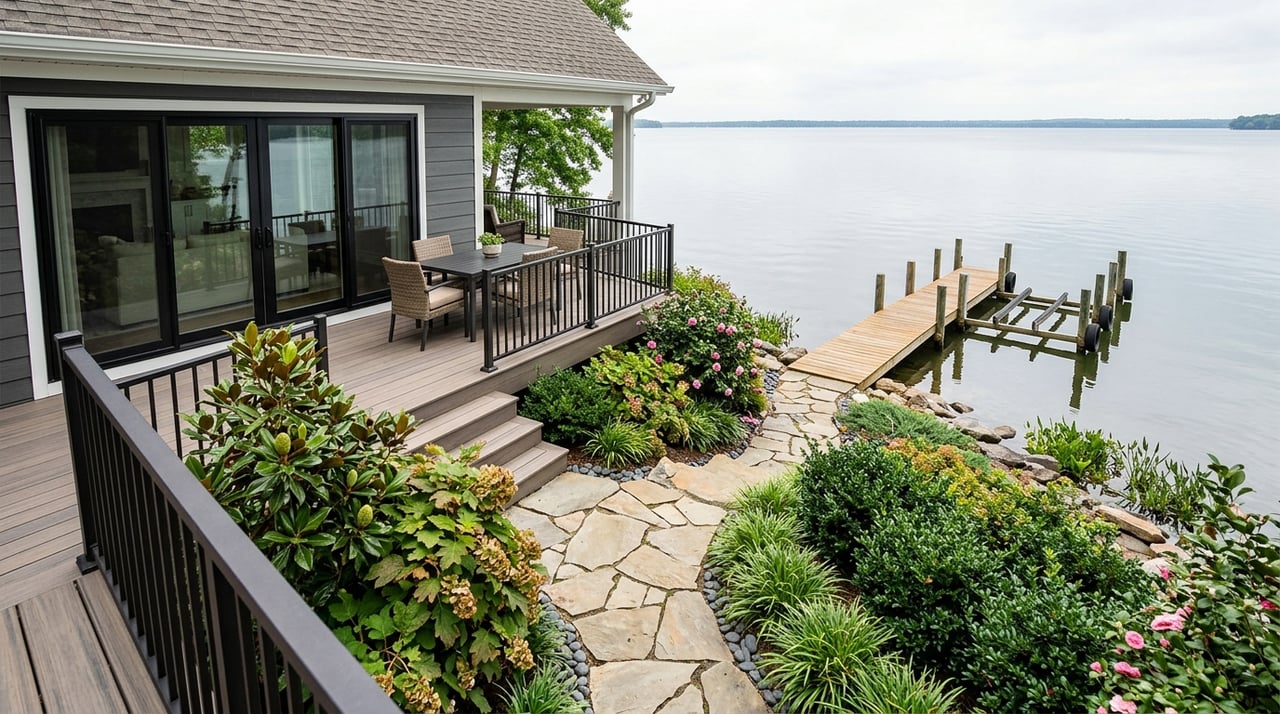
Cornelius Lake HOA Living and Lake Access Rules
July 16, 2026
July 16, 2026
Thinking about lake life in Cornelius? One of the biggest surprises for buyers is that “lake access” can mean very different things from one property to the next. If you are comparing HOA communities, shared docks, boat slips, and homes near public launch points, it helps to know what you are actually buying. This guide walks you through how HOA and lake access living often works in Cornelius, what to review before you commit, and which questions can save you stress later. Let’s dive in.
In Cornelius, lake access is not the same thing as waterfront ownership. Some homes have direct water frontage and private shoreline access, while others are part of neighborhoods that offer shared amenities like a dock, pier, ramp, slip, or beach area.
Some properties may also rely more on nearby public access than private community features. In or near Cornelius, Mecklenburg County access points include Ramsey Creek Park and Blythe Landing, both of which offer boat ramps and other amenities. Those public options can be useful, but they come with fees, operating rules, and possible closures tied to lake conditions.
That is why it is important to verify access instead of relying on a listing phrase alone. A home described as having lake access may offer something very different from another property with the same wording.
Many newer planned communities in North Carolina are governed by the North Carolina Planned Community Act. If a property is in an HOA, the association may handle budgeting, assessments, reserve funding, management, and upkeep of common areas and shared amenities.
For you as a buyer, that matters because HOA dues may cover much more than landscaping or entry signs. In a lake community, dues may help fund common-area maintenance, insurance, management costs, and capital reserves for shared facilities.
The HOA may also regulate how common elements are used. Under North Carolina law, associations can charge for the use or operation of common elements and can suspend privileges or impose fines after notice and an opportunity to be heard.
Another important point is that owners can be required to help pay for common facilities even if they do not use them personally. So if a community maintains shared water-access features, your financial responsibility may not depend on how often you launch a boat or visit the dock.
Not all lake access is structured the same way. In North Carolina, access rights may be tied to common elements, limited common elements, or separate easements, leases, or licenses depending on the recorded declaration and community documents.
That distinction can affect your day-to-day use. For example, a shared pier might be a general community amenity, while a slip could be reserved for fewer than all owners. In some communities, access may be assigned. In others, it may be leased, licensed, or subject to availability.
This is one of the biggest reasons buyers should go beyond the marketing description. The legal structure behind the amenity often determines how secure, flexible, and valuable that access really is.
When you look at Cornelius communities, it helps to break “lake access” into specific features. Two homes may sound similar online but offer very different lifestyles.
Here are some amenities you may want to compare:
The more specific you get, the easier it becomes to compare value. A neighborhood with a shared launch may suit one buyer perfectly, while another may need a dedicated slip or simpler day-to-day water access.
In Cornelius, water-related improvements can involve more than HOA approval. The town’s development code says proposed common access water-related structures, including community piers and boat launches, must be forwarded to the Lake Norman Marine Commission and Duke Energy for written comments before administrative approval.
That local review layer matters if you are buying into a community that is planning improvements or if you are counting on future changes. It can affect timing, feasibility, and how amenities are developed.
Duke Energy also plays an important role through its shoreline management framework for lake activities such as pier and marina construction, shoreline stabilization, and similar work. In practical terms, docks, piers, vegetation changes, and marina-related improvements may require approvals beyond what an HOA can authorize on its own.
HOA fees in lake communities often reflect more than you can see during a quick showing. Shared lake access can create ongoing costs tied to maintenance, administration, and long-term repairs.
Depending on the community, dues and assessments may help cover:
North Carolina law also allows some costs to be assessed differently when they relate to a limited common element or an amenity used by fewer than all lots. That means the way costs are divided may vary from one community to another.
If you are considering an HOA or lake-access property in Cornelius, document review is essential. In North Carolina, sellers are required to provide the Residential Property and Owners’ Association Disclosure Statement before an offer to purchase. For properties in an owners’ association, that disclosure addresses items such as association name, dues, special assessments, pending lawsuits or judgments, and services or amenities paid for by regular assessments.
Beyond that disclosure, you should ask for the core association documents and recent financial information. These records can help you understand both your rights and the community’s overall health.
A strong document checklist includes:
North Carolina law requires associations to keep financial records and make annual financial statements available to owners within 75 days after the fiscal year ends. That gives buyers a useful starting point for evaluating how the community is being managed.
A few clear questions can reveal a lot. If you are serious about a property, ask your real estate agent, attorney, lender, or HOA contact for direct answers in writing whenever possible.
Start with these:
These questions are especially helpful when you are comparing communities that look similar on the surface. Small differences in access rights or cost structure can have a big impact on how enjoyable and affordable the property feels over time.
For some buyers, private or shared community access is worth the added structure and cost. For others, nearby public access may be enough, especially if they want flexibility without HOA lake-amenity rules.
Cornelius area buyers often compare private community access with Mecklenburg County options like Ramsey Creek Park and Blythe Landing. Ramsey Creek Park includes four boat ramps, docks, and a fishing pier. Blythe Landing includes six boat ramps and 218 trailer parking spaces.
Here is the practical tradeoff: HOA access may offer convenience closer to home, while public access can reduce the need to pay for private amenities you may not use often. But public options still come with launch fees, operating rules, and occasional closures, so they should be part of your comparison, not a fallback assumption.
The best lake-access choice depends on how you want to use Lake Norman. If you picture frequent boating, easy launch access, or a specific type of dock setup, the details matter more than the label in the listing.
Take time to match the property to your real lifestyle. Look closely at the HOA structure, the documents, the true cost of access, and whether the rights are clear and dependable.
If you are relocating to the Lake Norman area or balancing options between metro living and lake living, having a local guide can make the process much easier. The right support can help you compare communities, review the fine print, and focus on the homes that truly fit your goals.
If you are exploring Cornelius or planning a move to the Lake Norman area, the family-led team at Live In The Dream can help you sort through the details and find the right fit with clear, personalized guidance.
Stay up to date on the latest real estate trends.



marketupdate
Monthly Newsletter
At Live In The Dream, we believe that finding or selling your home should be a seamless and enjoyable experience. Our dedicated team of real estate professionals is committed to providing you with the highest level of service, personalized to meet your unique needs.
Kathy Caputo Worek
Megan Worek
Virginia & DC Office
9990 FAIRFAX BLVD SUITE 160
FAIRFAX VA 22030
North Carolina Office
464 WILLIAMSON RD SUITE A
MOORESVILLE NC 28117